


Modular Construction Pros and Cons

Updated: Jul 13
Modular construction pros and cons are straightforward. Its advantages include faster build times, lower costs, scalability, and support for affordable housing, urban infill, and rural development. Its drawbacks include zoning and building code barriers, along with financing and market perception challenges.
For construction leaders, understanding these trade-offs is essential before investing in modular projects.

What Is Modular Construction?
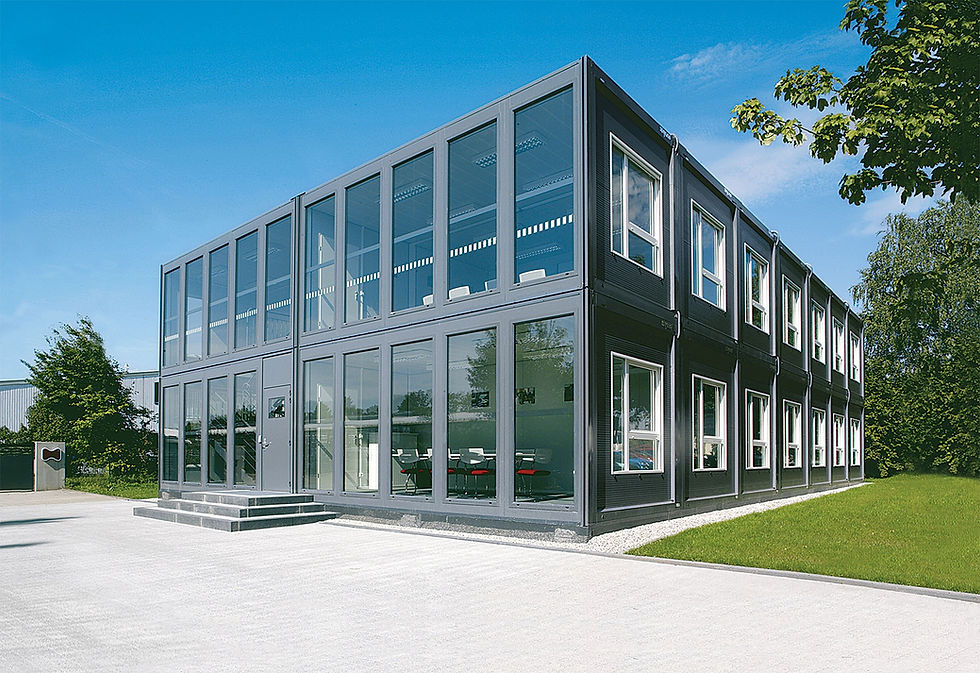
Modular construction is a building method where sections of a structure are manufactured in a factory and assembled on-site. Unlike manufactured homes, modular buildings meet the same local building codes as traditional construction and are placed on permanent foundations.
The approach is used for homes, multifamily projects, hotels, and commercial buildings, delivering greater quality control and faster project completion.
Pros and Cons of Modular Construction
Modular construction offers a compelling alternative: homes built in factory sections and assembled on-site for faster, more efficient results. It addresses timeline and labor challenges, but zoning restrictions, transportation logistics, and limited factory capacity remain obstacles.

Modular Construction Pros
Faster Build Times
Modular construction cuts project timelines by 30–50%, and robotics make that speed more reliable. Because modules are factory-built while site work happens simultaneously, a multifamily building that traditionally takes 18–24 months can be completed in 10–14 months.
Robotic systems handle repetitive tasks like framing, welding, and panel assembly around the clock without weather delays or fatigue, keeping production on schedule and units reaching residents sooner.
Lower Construction Costs
Factory production slashes labor costs and material waste, robotics push those savings even further. Automated cutting and assembly reduce material waste by 50–75% compared to site-built construction. Combined with robotic precision that minimizes rework, overall project costs can drop 10–25%.
For affordable housing projects running on thin margins, that difference often determines whether a project gets built at all.
Scalability Across Markets
Modular factories equipped with robotics can scale output in ways traditional construction simply cannot. Robotic lines run multiple shifts continuously, independent of local labor shortages or seasonal slowdowns. Standardized designs can be replicated across jurisdictions with minimal redesign, the same assembly-line logic that transformed automotive and aerospace manufacturing is now being applied to housing, and it's gaining serious traction.
Modular Construction Cons

Despite its promise, modular construction faces significant headwinds that have prevented it from scaling as rapidly as its proponents would like. Understanding these barriers is essential to evaluating its realistic potential to address the housing crisis.
Zoning & Building Code Barriers
The United States has no unified national building code. Instead, each state and often each municipality administers its own code framework, creating a patchwork of regulatory environments that modular manufacturers must navigate simultaneously. A module built in a Virginia factory may need to meet different specifications for a project in New Jersey versus one in Georgia, adding engineering and compliance costs that erode the method's efficiency advantages.
Zoning restrictions, particularly exclusionary single-family zoning in suburban markets, further limit where modular multifamily projects can be built. Streamlining state reciprocity agreements for modular certifications and reforming exclusionary zoning are critical policy levers that remain largely untapped.
Perception & Financing Hurdles
Consumer and lender perception remains a meaningful obstacle. Despite the fact that modular buildings meet the same code standards as site-built homes, many buyers and some appraisers still associate factory-built housing with lower-quality manufactured homes of past decades. This perception can suppress resale values and complicate mortgage underwriting.
On the construction lending side, modular projects present a non-traditional draw schedule, large upfront payments are required to the factory before modules arrive on site, which many conventional construction lenders are not set up to accommodate. Specialized modular financing products are emerging, but they remain less accessible than standard construction loans, particularly for smaller developers.

The Future of Modular Construction in America
The trajectory for modular construction in America looks broadly positive, driven by technology improvements, growing investment, and housing pressure pushing both public and private sectors toward alternatives to traditional building. Weighing the modular construction pros and cons helps explain this shift: advances in BIM, robotics, and design standardization are steadily lowering production costs, and as factories scale up, per-unit costs will continue to decline, making modular increasingly competitive.
Policy changes could accelerate adoption further. States like California, New York, and Minnesota have already streamlined modular approvals and incorporated offsite construction into affordable housing financing.
Federal action, through HUD reforms, LIHTC inclusion, or direct investment in factory expansion, could be transformational. With housing urgency, technological maturity, and growing institutional familiarity converging, the modular sector appears to be approaching a major inflection point.
Frequently Asked Questions
How can Modular Building and Robotics Address Housing Shortages?
Modular construction, powered by robotics, directly attacks the speed, cost, and scale problems crippling the U.S. housing market, and it's already working.
Can I find modular construction providers specializing in residential near me?
Yes. Residential modular builders operate across most U.S. markets. Start by searching the Modular Building Institute (MBI) member directory, state modular housing associations, and licensed local contractors. You can also request referrals from architects, developers, and general contractors with modular project experience.
Evaluate providers based on their manufacturing capacity, code compliance, delivery record, and completed residential projects.
Which companies offer modular construction services with the best customer reviews?
Customer reviews vary by project type, region, and delivery experience, so there is no single company that ranks highest in every category. However, Veev by Lennar, Z Modular, Sea Box, Clayton, Volumetric Building Companies (VBC), and Guerdon are among the industry's most established providers.
For construction executives, the best choice should be based on verified client references, completed projects, on-time delivery, quality performance, and long-term service support rather than review scores alone.


One of the key advantages of modular construction is the speed and flexibility it offers, but site logistics and worker facilities still need careful planning. Temporary accommodation and sanitation can become a challenge when projects move quickly or site layouts change, which is why Asset Accommodation can be a practical option for construction teams. Their portable toilet facilities help provide convenient, hygienic sanitation on active construction sites without requiring permanent installations. This makes them a useful addition to modular projects, helping contractors maintain suitable welfare facilities while keeping the construction process efficient and organized.